
THE JOURNAL
NOTES FROM THE STUDIO
What EU PPWR Means for Luggage Export Packaging: A Practical Readiness Guide
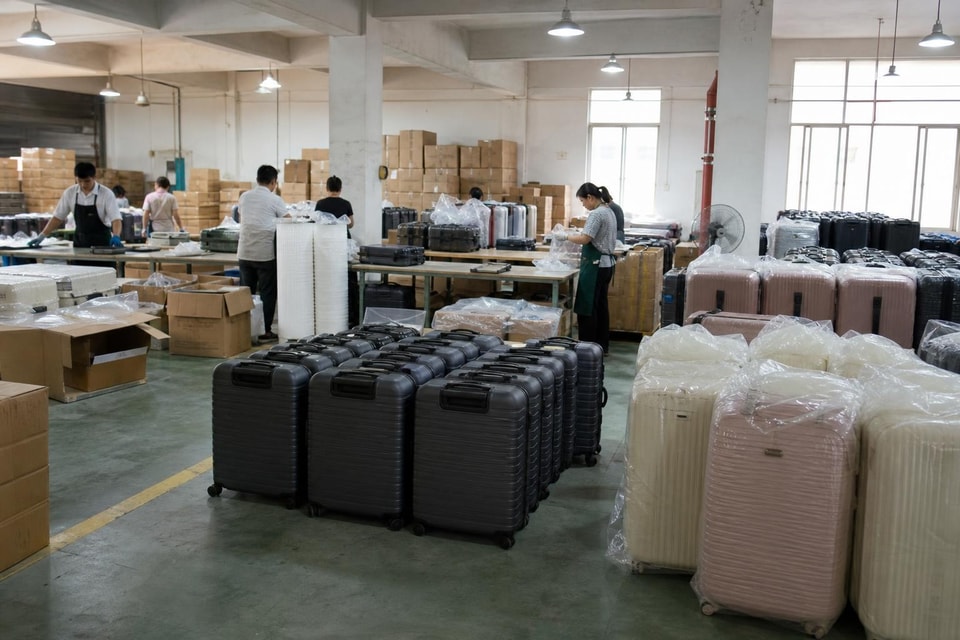
As Regulation (EU) 2025/40 begins to apply generally from 12 August 2026, packaging is becoming a more visible part of product compliance for brands, importers and manufacturers serving the European market. For the luggage industry, the regulation is relevant not only to retail cartons, but also to the way suitcases, business bags and travel products are packed, documented and prepared for cross-border distribution.This practical guide translates the main direction of the EU Packaging and Packaging Waste Regulation (PPWR) into actions that luggage buyers and supply-chain teams can start reviewing now.Why PPWR matters to luggage businessesA suitcase may be designed for years of travel, but the packaging around it is usually used once. PPWR addresses packaging across its life cycle and aims to reduce unnecessary material, improve recyclability and limit substances of concern. It covers packaging placed on the EU market, including sales, grouped and transport packaging.For luggage exporters, this brings packaging specifications into the same early-stage conversation as shell material, wheels, handles, lining, testing and carton drop performance. A compliant product packed in an unsuitable carton can still create avoidable risk at import, retail or e-commerce fulfilment.Five packaging priorities for luggage exports1. Control substances across the complete packaging unitPPWR maintains a combined concentration limit of 100 mg/kg for lead, cadmium, mercury and hexavalent chromium in packaging or packaging components, subject to limited exemptions. The review should therefore cover more than corrugated board: printing inks, adhesives, labels, tape and other components also need to be considered.For recycled cartons, buyers should define supplier documentation and testing requirements rather than relying only on a generic recycled-content statement. Water-based inks and adhesives can support a simpler specification, but each material still needs evidence appropriate to the intended market.2. Design cartons for material recyclingPPWR moves the market toward packaging that can be collected, sorted and recycled at scale. For ordinary luggage cartons, a practical starting point is a predominantly paper-based construction with limited composite elements. Plastic film lamination, hard-to-remove labels and unnecessary plastic-paper combinations can interfere with established paper recycling streams.Where moisture resistance is needed, packaging engineers should compare recyclable water-based barrier options with conventional plastic lamination and confirm performance with the packaging supplier.3. Reduce unnecessary volume without reducing protectionFrom 2030, grouped, transport and e-commerce packaging filled by economic operators is generally expected to stay within a maximum 50% empty-space ratio, subject to the regulation's definitions and exemptions. For luggage, this does not mean removing essential protection. It means selecting a carton that fits the product, planning corner and surface protection efficiently, and avoiding oversized boxes filled with excessive cushioning.Different products need different solutions. A hardshell spinner such as the YWD-2142 or YWD-2136 needs protection against scuffing and concentrated impact, while a softside carry-on such as the YWD-2171 may allow a more space-efficient pack-out. Business backpacks and briefcases can also require a different carton architecture from rigid checked luggage. Packaging should therefore be developed by product family, not copied from one universal box.4. Build documentation into the order processImporters and brand owners should establish a packaging file that can be maintained alongside the product specification. Depending on the operator's role and the applicable requirement, useful records may include:a packaging bill of materials covering board, ink, adhesive, tape, labels and protective inserts;supplier declarations and relevant test reports;carton dimensions, product dimensions and an empty-space calculation;design-for-recycling evidence;market-specific extended producer responsibility registration information; andthe applicable declaration of conformity and technical documentation.This approach makes packaging decisions traceable and helps reduce last-minute changes before shipment.5. Prepare for phased recyclability and labelling rulesPPWR is not a single deadline. The regulation applies generally from 12 August 2026, while major recyclability, minimisation and labelling provisions phase in later. From 2030, packaging is expected to meet design-for-recycling performance grades, with further recycled-at-scale criteria and tighter performance requirements following in subsequent years.Businesses should use the transition period to standardise material codes, artwork approval, packaging data and supplier declarations. Country-level EPR obligations also remain important and should be checked for every EU market where packaged goods are made available.How YAWANGDA approaches export packaging developmentFor RedVoyage/YAWANGDA product programmes, packaging should be treated as part of the product development workflow rather than a final purchasing detail. Our portfolio ranges from hardshell carry-ons and XL checked luggage to softside cases, business backpacks and briefcases. Each format has different protection, volume and handling requirements.When developing an OEM or ODM programme, buyers can include carton material, print method, component list, pack-out layout and required evidence in the project specification. Aligning these items before mass production supports more consistent packing, inspection and export preparation.A practical buyer checklistMap every packaging component, including inserts, tape and labels.Request substance and material evidence from packaging suppliers.Avoid unnecessary plastic-paper composites and difficult-to-separate components.Match carton dimensions and protection to each luggage family.Record product volume, carton volume and cushioning assumptions.Confirm documentation responsibilities with the EU importer or brand owner.Review EPR and labelling obligations for each destination country.Recheck the official PPWR text and subsequent delegated or implementing acts before final approval.Planning aheadPPWR turns packaging into a measurable design and compliance subject. For luggage brands, the most effective response is not simply to use less material; it is to use the right materials, in the right structure, with the right evidence. Starting the review at product-development stage can help protect goods in transit while supporting recyclability, documentation and efficient use of space.Regulatory note: This article is a general industry overview, not legal advice. Final obligations depend on the packaging format, operator role, market and the detailed application of Regulation (EU) 2025/40. Businesses should consult the official EU text and qualified compliance advisers.Sources: European Union, Regulation (EU) 2025/40, Official Journal of the European Union (official primary legal source); EUR-Lex summary “Packaging and packaging waste (from 2026)” (official EU summary). The shared WeChat article was used as an industry-practice reference and cross-checked against the official regulation.
How to Choose a Suitcase by Trip Purpose and Duration
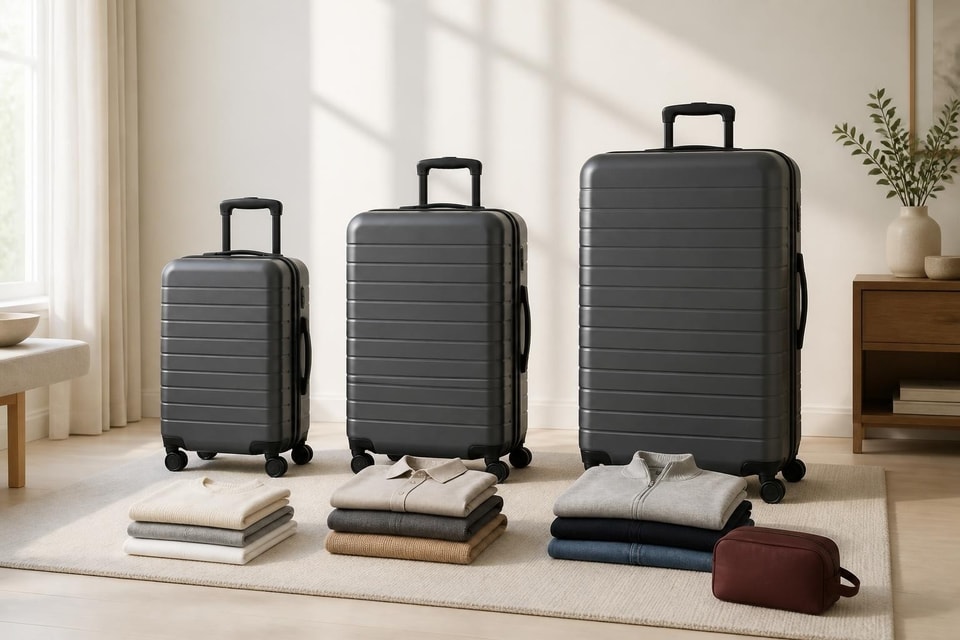
The right suitcase is not simply the largest one a traveler can carry. It is the case that fits the trip’s transport, duration, packing rhythm and baggage rules with the least unnecessary weight and complexity.Start with the trip, not the size labelRetail labels such as cabin, medium and large are useful categories, but they are not universal measurements. Before selecting a case, write down five facts:Duration: number of travel days and access to laundry.Purpose: business, leisure, family, outdoor activity or mixed use.Transport: direct flight, connections, rail, car, ferry or walking.Climate: bulky cold-weather layers versus lightweight clothing.Ticket rules: included pieces, external dimensions and weight.These factors often matter more than day count alone. Seven days with laundry access may require less space than four days involving formal clothing or two climates.One to three days: compact and disciplinedFor a short city break or overnight business trip, a compact carry-on or small soft case is often enough. Prioritize low empty weight, quick access and an interior that prevents a small packing list from shifting.Four to seven days: balanced capacityA medium case often suits a week when clothing can be repeated and shoes are limited. Look for a stable trolley, compression panel and one or two purposeful separation zones. If the case will be checked, evaluate corner protection, closure, handle attachment and replaceable wheels.Eight to fourteen days: organization before volumeLonger trips usually benefit from a medium-to-large checked case, but capacity should be controlled. Oversized cases encourage overpacking and can exceed a common 23 kg allowance before they are full. Use two main zones: clean clothing and items that may become damp or dirty. Compression reduces movement, not weight.Trips longer than two weeks: design around replenishmentFor extended travel, plan laundry, consumable replacement and climate transitions. A large case may be appropriate for relocation, study or family visits, but verify dimensional and weight limits first. A second checked piece may sometimes be more usable than one overloaded case, depending on fees and entitlement.Choose by travel purposeBusiness travelPrioritize a professional silhouette, quiet wheels, stable upright behavior and fast access. The handle should suit the traveler’s height without excessive flex. Replaceable wheels and handles can reduce downtime after normal wear.Family holidaysShared cases need clear zones. Avoid creating a bag that only one adult can lift. If children will roll their own cases, check handle range, wheel stability and packed weight rather than choosing by appearance.Rail and multi-city travelFrequent lifting favors compact dimensions, strong grab handles and low empty weight. Smooth wheels matter in stations and hotels. A case that stands securely when loaded is valuable during platform waits.Road tripsCar travel relaxes airline constraints but introduces trunk geometry. Soft luggage can fit irregular spaces, while multiple compact cases may stack better than one large shell. Expansion is useful provided the case is returned to compliant dimensions before a later flight.Adventure, cruise and specialist tripsOutdoor equipment, formal cruise clothing or sports items can change the calculation. Check special-item rules and whether a duffel, protective equipment case or garment solution should complement the suitcase.Hard shell or soft luggage?ConsiderationHard shellSoft luggageStructureDefined shape and broad panel protectionFlexible pockets and packing behaviorAccessOften opens in two halvesOften offers lid-style opening or exterior accessEvaluation pointCheck shell recovery, corners and closureCheck fabric, seams, backing and zipper constructionNeither type is automatically more durable. Material, construction, component quality and test performance determine the result.Wheels, handles and interiors: test the complete systemFour-wheel spinners maneuver well in terminals, while two-wheel designs can offer advantages on uneven paths. Wheel diameter, tread, axle alignment and housing strength affect noise and rolling effort. Extend the trolley to normal walking height and check for comfortable grip and controlled movement.Inside, pack representative items. Confirm that straps hold a partial load, zippers remain reachable and lining can be cleaned. Features should earn their weight.Make the final airline checkFor checked baggage, 23 kg and 158 cm total linear dimensions are common references, but they are not worldwide mandatory allowances. Delta commonly publishes 157 cm and 23 kg; Lufthansa commonly uses 158 cm and 23 kg in Economy; Emirates has different weight and piece concepts, with a 150 cm piece-concept threshold. Cathay directs travelers to the ticket or its calculator. Measure the packed case externally, including wheels and handles.A simple decision sequenceConfirm the ticketed allowance.Create a realistic packing list and note laundry access.Choose the smallest capacity that holds the list.Compare external dimensions and empty weight.Test lifting, rolling, handle height and access.Check repair options for wear components.Reweigh and remeasure before departure.Choosing by purpose and duration produces a case that is easier to move and less likely to be overpacked. For guidance, contact RedVoyage/YAWANGDA.Sources & verificationIATA Passenger Baggage Rules — credible international industry reference.Delta, Lufthansa and Emirates — official airline sources illustrating rule differences.Cathay Pacific baggage calculator — official itinerary-specific verification tool.
International Checked Baggage Size Rules: A 2026 Traveler’s Guide
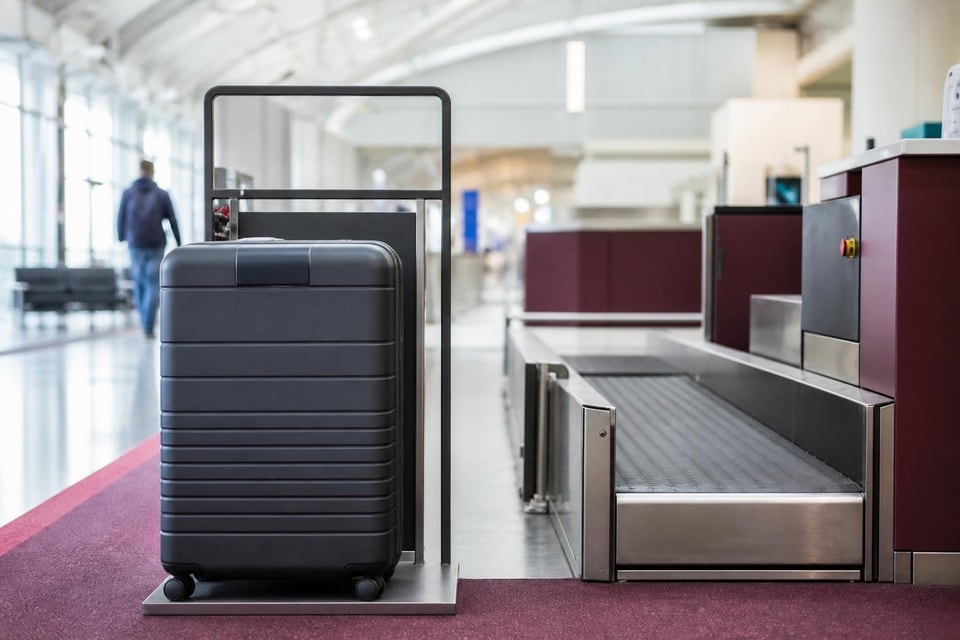
There is no single mandatory worldwide size allowance for checked baggage. Airlines set acceptance rules through their own conditions of carriage, and the applicable limit may vary by route, cabin, fare family, ticket date, status and operating carrier.IATA says that on routes using the piece concept, a common maximum is 158 cm (62 in) in total linear dimensions, calculated as length plus width plus height. IATA also notes a commonly recommended individual checked-bag weight of 23 kg (50 lb). These are common references, not a universal passenger entitlement.How linear dimensions workLength + width + height = total linear dimensions.Measure the suitcase at its largest external points. Wheels and handles normally form part of the external dimensions. Include fixed handles, wheel housings, feet and guards. Measure an expandable case in the condition in which it will be checked. A nominal “28-inch suitcase” label is not guaranteed airline compliance.Current examples from major airlinesSourceCommon published referenceImportant qualificationIATA23 kg per bag and 158 cm are common references.Allowances remain airline and route specific.DeltaA standard checked bag commonly uses 157 cm total dimensions and 23 kg.Fees, pieces and weight vary by product, status and journey.LufthansaA common Economy reference is 158 cm and 23 kg.Fare and route determine the exact entitlement.EmiratesUnder the piece concept, each piece uses a 150 cm threshold.Emirates uses weight or piece concepts depending on route.Cathay PacificAllowance is shown on the e-ticket and Manage Booking.Use its calculator; partner-carrier rules can differ.The one-centimeter difference between Delta’s 157 cm and the widely seen 158 cm illustrates why travelers should avoid rounding assumptions. Emirates is an even clearer example: its piece-concept threshold is 150 cm.Weight concept and piece concept are differentUnder a piece concept, the ticket specifies how many bags may be checked and sets a weight and size condition for each piece. Under a weight concept, the entitlement is expressed primarily as total checked weight, although per-item limits still apply.Emirates states that the weight concept applies to most routes, while the piece concept applies to specified travel involving the Americas and Africa. Do not infer the rule from airline name alone; origin, destination, stopover and ticket construction matter.Why the operating carrier and full itinerary matterCodeshares and interline journeys can involve more than one airline. The marketing carrier may not operate every sector. Separate tickets add risk because a bag accepted on the first flight may not meet the second carrier’s rules.Review the e-ticket receipt, booking-management page and operating-carrier details. Special items such as sports equipment, musical instruments, mobility equipment and unusually shaped bags may follow separate procedures.How to measure and verify before departureFind the booked allowance. Open Manage Booking or the baggage calculator.Identify the concept. Confirm pieces or total weight.Measure externally. Include wheels, handles, guards and expanded sections.Weigh the packed case. Leave a margin for measurement differences and return purchases.Check every sector. Review operating carriers, codeshares and separate tickets.Review exceptions. Look for route embargoes and special-item policies.Save evidence. Keep the allowance shown on the ticket or booking page.Choosing a suitcase around airline rulesCompare verified external measurements rather than retail size names. Wheels that sit outside the shell and tall fixed handles consume part of the dimensional envelope. Expansion gives flexibility, but an expanded bag may cross a threshold. Empty weight also matters because a heavy case reduces contents under a 23 kg allowance.The final check is the booking, not a generic chartAirline pages can change, and entitlement depends on details a general guide cannot see. Verify the booking shortly before departure and again after a schedule or carrier change. For luggage dimension planning, contact RedVoyage/YAWANGDA.Sources & verificationIATA Passenger Baggage Rules — authoritative industry reference.Delta baggage overview — official carrier source.Lufthansa baggage and fees — official carrier source.Emirates checked baggage — official explanation of weight and piece concepts.Cathay Pacific baggage calculator — official itinerary-specific tool.

2026 EU PFAS Controls: A Practical Guide for Chinese Luggage Brands
Chinese luggage brands exporting to the European Union need a precise view of PFAS regulation in 2026. The key point is that some specific PFAS are already restricted, while the proposed broad restriction covering the PFAS family is still moving through the European Chemicals Agency and European Commission process. As of 11 August 2026, it would be inaccurate to describe that broad proposal as a fully effective new EU-wide ban with settled scope and dates.The European Commission says ECHA is assessing the universal restriction proposal. After the scientific assessment, the Commission intends to advance a restriction aimed at minimizing PFAS emissions. The final scope, derogations, conditions and transition periods remain to be decided.Existing controls versus the proposed broad restrictionRegulatory layerStatus at 11 August 2026Business meaningRestrictions on specified PFASExisting EU measures already control named PFAS and related substances in defined uses.Check the exact substance, article, use and applicable date.Proposed broad PFAS restrictionECHA assessment and EU decision-making are ongoing.Do not represent the proposal as a finalized blanket ban. Monitor official texts and prepare substitution evidence.This distinction matters in contracts, customer declarations and marketing. “PFAS-free” is a broad claim that requires a defined scope, test approach and supplier evidence.Where PFAS can appear in luggageWater- or oil-repellent coatings on woven textiles, nonwovens, labels or trims.Zipper and fabric finishes introduced by mills or subcontract finishers.Printing inks and surface treatments used for logos, patterns or protection.Adhesives and processing aids in laminates, reinforcements and decorative parts.Lubricants used on zippers, trolley systems, molds or manufacturing equipment.Packaging and accessories when covered by buyer specifications or separate requirements.Presence cannot be inferred reliably from appearance. “Water-resistant,” “fluorine-free” and “PFAS-free” are not interchangeable unless specifications explain what was excluded and how it was verified.Build evidence from the BOM upwardThe bill of materials should identify each textile, coating, zipper, ink, adhesive, lubricant and outsourced process. Suppliers should provide declarations tied to product codes and revisions. Where available and appropriate, CAS numbers help track identified substances, but teams should not assume every proprietary mixture can be managed through one CAS entry.Connect declarations to purchase orders, lots and change-control records. Require suppliers to notify the brand before changing chemistry, sub-suppliers, production sites or finishing routes.Use testing as verification, not as the whole systemTesting can confirm selected risks, screen total or extractable fluorine, or target named compounds, depending on method and purpose. No single test automatically proves absence of every PFAS in every component. Define the question first: an existing legal restriction, a buyer specification, an unknown finish or an alternative treatment.A risk-based plan may prioritize coated textiles, zipper tapes, printed panels and materials from suppliers with limited chemical visibility. Keep method details, detection capability, sampling logic and reports. Do not convert a laboratory reporting limit into a fictional legal limit.Strengthen contracts and supplier declarationsPurchase agreements should define the applicable market and requirements, list controlled specifications, require accurate declarations, provide audit and testing rights, and set procedures for unauthorized changes. Responsibility for investigation, replacement, recall support and documentation should be allocated.Validate alternatives before switchingReplacing a fluorinated finish can change water repellency, abrasion behavior, color, hand feel, seam performance, adhesion and cleanability. Validation should reflect the product’s actual promise and cover performance after flexing, abrasion and aging.Substitution can affect cost and lead time through new minimum orders, sampling, laboratory work, production trials and supplier qualification. Plan these effects into the launch calendar.A controlled action plan for EU exportsSeparate current substance-specific obligations from the proposed broad restriction.Map PFAS-relevant components and processes in the complete BOM.Collect product-specific supplier declarations and available CAS-level information.Apply change control and contract clauses to upstream chemistry.Use targeted and screening tests according to documented risk.Qualify alternatives for performance, manufacturing stability and aging.Track ECHA and Commission publications and update decisions when final legal text appears.This article is general product-compliance information and not legal advice. Companies should obtain advice for their products, substances, uses and placing-on-the-market dates. To review a luggage specification or substitution project, contact RedVoyage/YAWANGDA.Sources & verificationEuropean Commission: PFAS pollution — official EU overview.European Commission, 29 January 2026 — official update describing ECHA’s ongoing assessment.European Commission, 15 June 2026 — official policy update on next steps.
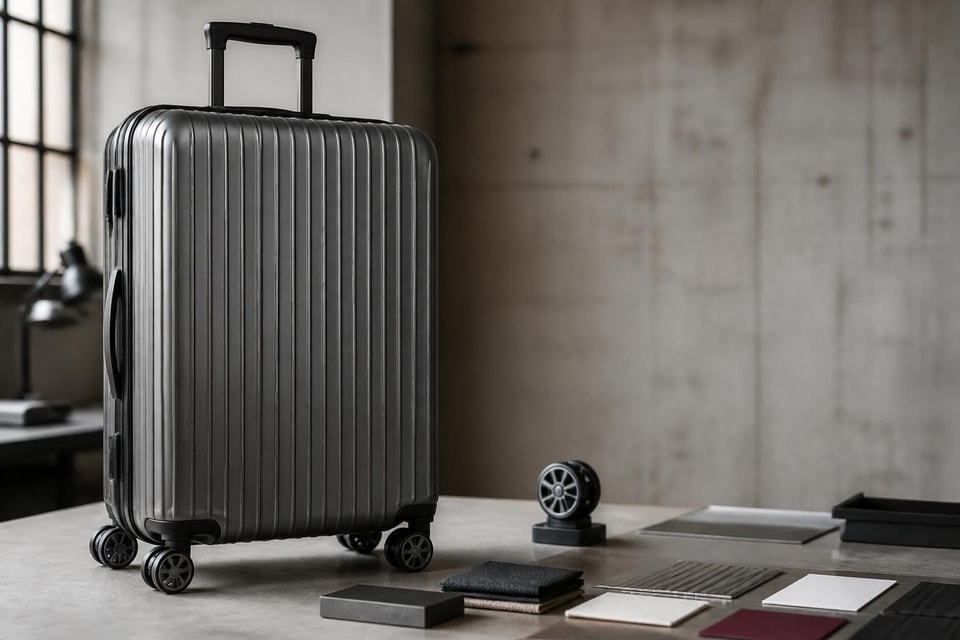
2026 Luggage Industry Trends: What Product Teams Should Prioritize
In 2026, useful luggage innovation is less about adding visible features and more about improving the complete ownership experience. Buyers still notice color, silhouette and price, but product teams are increasingly judged on weight, rolling comfort, repair options, component transparency and whether a case fits the habits of a particular market.1. Lighter structures without fragile constructionLower empty weight gives travelers more usable packing capacity within an airline allowance. Yet reducing grams indiscriminately can create weak corners, unstable trolley systems or panels that deform under load. The practical approach is weight engineering: map where material carries load, where impact is likely, and where thickness or reinforcement can be reduced safely.For hard luggage, teams are comparing shell geometry, rib placement, polymer formulation and localized reinforcement rather than relying only on nominal shell thickness. A credible lightweight claim should be supported by finished-product weight tolerances and validation such as handle cycling, wheel endurance, drop, tumble and zipper tests.2. Repairability becomes a design inputWheels, trolley handles, carry handles, locks and selected zipper components are common wear points. If these parts can be removed with ordinary tools, identified accurately and supplied after sale, a damaged component does not automatically end the life of the suitcase.Good repair design needs stable interfaces, part codes, version control, repair instructions and an agreed spare-parts period. Fasteners should be accessible without destroying the lining, while replacement work must not compromise shell strength.3. Modular components need controlled compatibilityA shared platform may accept different wheel assemblies, internal organizers, handles or trim packages. Useful modularity depends on documented interfaces, dimensional tolerances and load requirements.Mechanical compatibility: hole patterns, clearances and fastener torque are defined.Material compatibility: adjacent plastics, coatings and adhesives are checked for aging.Service compatibility: part labels distinguish revisions that look similar but do not interchange.Commercial compatibility: spare modules remain available in realistic quantities.4. Traceability reaches below the finished productBrands increasingly need to connect a finished-case batch to its shell or fabric, wheel, trolley, zipper, coating, ink, adhesive and assembly records. A practical system starts with a controlled bill of materials and supplier identifiers. Changes require approval, and production lots should link to inspection and test records.5. Market-specific design replaces the universal suitcaseRail-heavy travel rewards compact dimensions, stable standing and easy lifting. Long-haul family travel may prioritize capacity and internal separation. Business travelers often value quiet movement, restrained appearance and fast access, while customers using rough pavements need larger, durable wheels.Product teams should translate these differences into measurable requirements: target external dimensions, packed weight, wheel diameter, handle height, divider layout and test severity.6. Quiet wheels become an engineering requirementWheel noise is a system outcome involving tread material, hardness, bearing quality, axle alignment, wheel diameter, housing rigidity and the surface under the bag. Useful specifications define test surfaces, loading, speed, distance and an acceptable benchmark. Endurance matters too: a wheel that is quiet only when new does not solve the ownership problem.7. Interior organization becomes simpler and more purposefulOrganization is shifting away from numerous small pockets toward adaptable zones. Compression panels, removable pouches, washable laundry storage and clear separation between clean clothing, footwear and technical items can improve real use. Every divider adds material, labor and weight, so each feature should answer a packing task.A practical 2026 development checklistSet finished weight, dimensions and durability targets together.Identify likely wear parts and define replacement procedures before tooling approval.Freeze modular interfaces and control revisions through the BOM.Map materials and chemical declarations to suppliers and production lots.Validate wheels for noise, rolling resistance and endurance.Test packing layouts against the intended trip and market.Verify airline-related claims against current carrier rules.These trends point toward luggage that is easier to carry, maintain, verify and use. Brands planning a new platform can contact RedVoyage/YAWANGDA to discuss a development brief.Sources & verificationIATA Passenger Baggage Rules is an authoritative air-transport industry reference and confirms that baggage allowances remain airline specific.European Commission: PFAS pollution is an official EU policy source relevant to material traceability. Product trends in this article are design analysis, not claims of a single global standard.
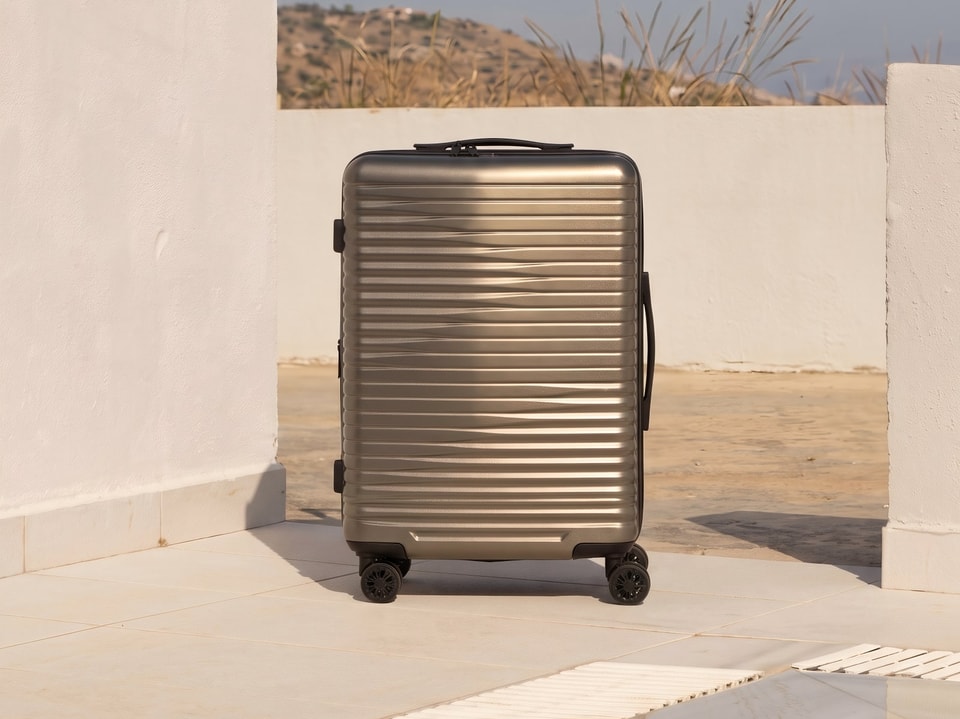
Designed for Partnership: YAWANGDA’s Approach to Global Luggage Programs
International luggage programs bring together product goals, brand identity, commercial channels and manufacturing requirements. Wenzhou Yawangda Luggage & Case Co., Ltd. supports this work through a collaborative approach to design and production. For brands, retailers and distributors, the process is intended to create shared understanding from the first brief through sample review and production coordination.Defining the Program Before Defining the ProductA productive partnership begins with questions. Who will use the luggage? Where will it be sold? What travel scenario should it address? Which elements of the brand’s design language need to be visible? Clear answers help translate a broad opportunity into a focused development brief.For a brand owner, the priority may be a recognizable collection that reflects established visual codes. A retailer may need products aligned with a particular customer profile and merchandising strategy. A distributor may balance market preferences, practical functions and channel requirements across a wider assortment. These perspectives are different, so the development process should not assume that one solution fits every program.Early discussion can cover intended use, product type, exterior direction, color and finish, material preferences, internal organization, wheel and pull-handle expectations, packaging considerations and review criteria. The purpose is to define decisions in a sequence that both customer and manufacturer can follow. A shared brief also gives teams a reference when new ideas or revisions arise.Connecting Design Language with Sample ReviewOnce the direction is established, design work can translate it into proportions, surfaces, components and storage solutions. For OEM, ODM or private-label discussions, the required level of development may vary. Some customers bring detailed specifications, while others begin with a use case, visual direction or assortment gap. In either situation, clear communication helps distinguish confirmed requirements from options still under evaluation.Samples provide a practical bridge between design intent and production planning. A physical review allows teams to consider overall appearance, component integration, opening behavior, mobility, internal layout and the way details work together. Feedback is most effective when it is specific: what should change, why it matters and how the revision relates to the agreed program goals.YAWANGDA presents design, production and quality-control capabilities in its company materials. Bringing these functions into the sample conversation can help assess manufacturability while design details are still being refined. That coordination supports a more orderly transition from an approved direction to production preparation.Coordinating Production Through Transparent CommunicationAfter sample review, collaboration continues through specification alignment, component confirmation and production coordination. International projects may involve different time zones, languages and internal approval structures. Regular, concise updates help participants understand current status, open questions and the decisions needed to keep work moving.Transparency also means addressing changes directly. If a requested revision affects another component, product structure or production step, the relationship should be discussed rather than treated as an isolated adjustment. Likewise, feedback from production or quality review can be shared in a form that helps the customer evaluate alternatives and confirm priorities.Long-term cooperation grows from dependable working habits: listening carefully, documenting decisions, reviewing samples against the brief and maintaining continuity between development and production. YAWANGDA’s company development includes milestones in 2020, 2021 and 2022, reflecting an ongoing path in luggage design and manufacturing. Its 2024 materials also present quality-management and environmental-management system certificates as part of the company profile.YAWANGDA does not rely on implied relationships with third-party brands to define its approach. The focus is on the program at hand and on building a clear, professional working process with each customer. If your organization is planning an OEM, ODM or private-label luggage collection, contact YAWANGDA to discuss the brief, review process and next steps.
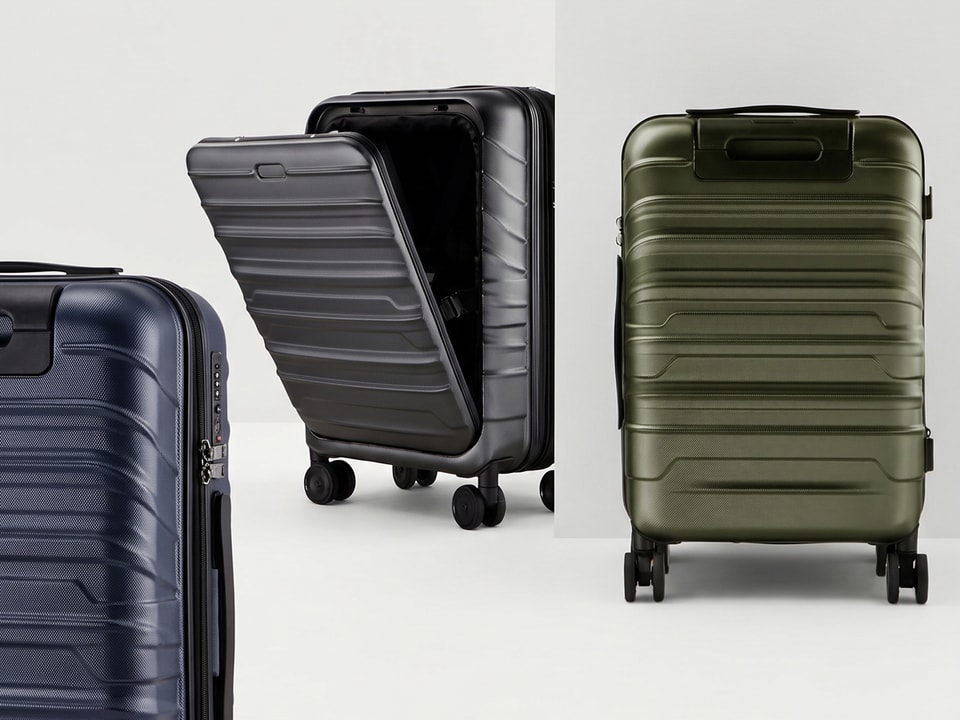
Built for Every Journey: How YAWANGDA Approaches Quality Manufacturing
For luggage intended to move through airports, stations, hotels and daily commutes, quality is created through many connected decisions. Wenzhou Yawangda Luggage & Case Co., Ltd. approaches design and production as a coordinated process in which materials, components, assembly and finished-product review all contribute to the result. The emphasis is on controlled execution, clear checks and learning that can support future improvement.Building Control into Incoming Materials and ComponentsQuality manufacturing begins before assembly. Materials and purchased components need to be reviewed against the requirements established for the product program. Depending on the luggage design, attention may include the appearance and condition of exterior materials, the suitability of linings and trims, and the consistency of functional parts such as pull handles, wheels, zippers, locks and other hardware.These elements perform different jobs but operate as one product. A wheel set affects movement; the telescopic handle influences handling; closure components support access; and internal materials shape organization and finish. Treating incoming checks as part of process control helps identify visible or functional concerns before components are integrated into a completed case.Clear specifications support this work. When the customer’s design direction, material choices and component expectations are documented, incoming review can be linked to agreed requirements rather than general impressions. This is particularly important for overseas brands, retailers and distributors coordinating decisions across teams and locations.Managing Assembly and Finished-Product ReviewDuring production, consistent assembly depends on coordination between people, components and defined process steps. The relationship between the luggage body, frame or closure, lining, carrying points, pull handle and wheel system must be managed carefully. Process checks can help confirm that parts are installed as intended and that workmanship remains aligned with the product specification.Finished-product inspection provides another review point once these elements come together. The evaluation can consider overall appearance, assembly condition, component operation, opening and closing, mobility, internal arrangement and presentation. The purpose is to assess the completed product as a whole, because an individual component may appear acceptable on its own while its integration still requires attention.Quality control is therefore not limited to a single final inspection. Incoming review, in-process attention and finished-product checks form a connected sequence. Information from one stage can guide action at another, supporting more disciplined resolution of issues and clearer communication between design, production and quality teams.Using Management Systems to Support ImprovementYAWANGDA’s 2024 company profile presents ISO 9001:2015 and ISO 14001:2015 management-system certification. This statement reflects the certificates shown in that company material and should not be read as defining certification scope beyond the information presented there.Within a manufacturing context, management-system thinking can support documented responsibilities, process awareness, review and continual improvement. It also encourages teams to look beyond isolated outcomes and consider how work is planned, carried out, checked and improved. For customers, that mindset can provide a more structured basis for technical communication and corrective follow-up during a product program.Continuous improvement depends on useful feedback. Findings from material review, production observations, sample comments and finished-product inspection can be recorded and discussed so that recurring concerns are addressed more systematically. The objective is steady refinement of process control, not an unsupported promise that every journey or use condition will be identical.YAWANGDA’s company development includes milestones in 2020, 2021 and 2022, alongside capabilities in design, production, quality control and customer-oriented cooperation. For organizations evaluating a luggage manufacturing partner, the next step is to align product expectations with a practical control plan. Contact YAWANGDA to discuss your program, specifications and quality priorities.
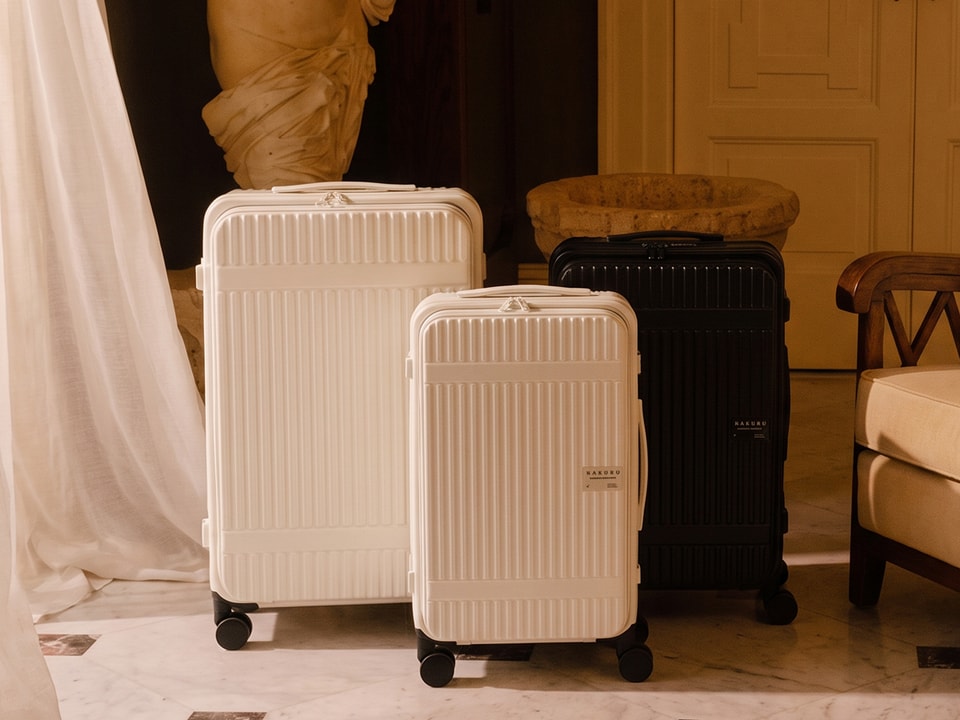
From Idea to Journey: Inside YAWANGDA’s Design-Led Product Development
Successful luggage begins long before a shell, zipper, handle or wheel reaches the assembly stage. At Wenzhou Yawangda Luggage & Case Co., Ltd., product development starts with a clear understanding of how people travel and what a brand wants its collection to express. By connecting design decisions with production realities, YAWANGDA works to turn an initial direction into a coherent, practical and production-ready product.Starting with the User and the JourneyA new luggage concept can begin from zero: a target traveler, a use case, a channel requirement or a broader brand brief. The first task is to define the journey the product must support. A frequent business traveler may value organized access and smooth mobility, while a leisure-focused collection may prioritize flexible packing and a distinctive visual identity. Retail presentation, product positioning and intended use all help shape the design direction.This user-focused view guides decisions across the complete case. Material selection affects appearance, weight, feel and suitability for the intended application. The internal structure determines how clothing and smaller items are separated and secured. Telescopic-handle placement, wheel configuration, carrying points and opening style influence everyday handling. Each choice is considered as part of one system rather than as an isolated feature.For overseas brands, retailers and distributors, this early definition also creates a practical basis for discussion. Instead of moving directly to a sample without shared criteria, the project can establish priorities, preferred design language and key functional expectations first. That foundation helps keep subsequent reviews focused.Developing Materials, Structure and Details TogetherDesign-led development requires coordination between visible styling and the less visible engineering that supports it. Exterior proportions, surface treatment, color direction and hardware should communicate a consistent identity. At the same time, the shell or body construction, frame, pull handle, wheel set, lining and storage arrangement must work together in a balanced product.YAWANGDA approaches these elements as interconnected decisions. A change in profile can affect internal space; a different handle arrangement can influence structural layout; and a revised wheel choice may alter stance and mobility. Reviewing those relationships early helps identify conflicts before they move deeper into production preparation.Manufacturability is part of the design conversation rather than a final checkpoint. Production input can clarify how a concept should be translated into repeatable components and assembly steps while preserving its intended character. This cooperation between design and production supports clearer specifications and more realistic decision-making.Learning Through Prototypes and IterationA prototype makes the concept tangible. It allows the team and the customer to review proportions, opening behavior, storage logic, component integration, finish and overall usability in physical form. Feedback can then be converted into targeted revisions instead of broad assumptions.Iteration may involve refining dimensions, adjusting component relationships, improving internal organization or aligning details more closely with the selected design language. Sample reviews also provide a useful point for comparing the product against the agreed brief. The goal is not change for its own sake, but a disciplined progression toward a design that is both meaningful to users and ready for coordinated production.YAWANGDA’s company development includes milestones in 2020, 2021 and 2022, reflecting an ongoing path in luggage design and production. Today, the company presents capabilities spanning design, manufacturing, quality control and brand-oriented project support.For brands, retailers and distributors planning a new luggage program, a well-defined development process can turn an early idea into a clearer product direction. Contact YAWANGDA to discuss your brief, target users and product-development priorities.
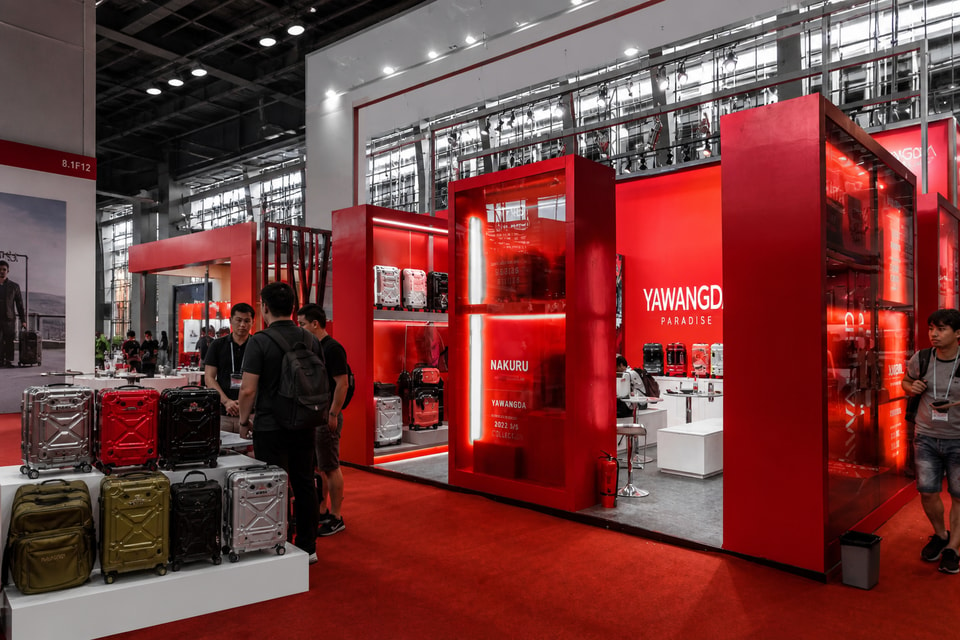
YAWANGDA Presents a Refined Booth and Travel Collection for the Spring 2022 Canton Fair
YAWANGDA presented a refreshed exhibition environment during the Spring 2022 Canton Fair period, using a modular red booth to create a clear setting for its travel luggage collection.The presentation combined product displays with open areas for discussion. Hard-shell cases in red, black and metallic finishes were positioned across illuminated shelving and freestanding platforms, giving visitors a closer view of silhouettes, surfaces and functional components.A more structured brand experienceThe booth’s architectural layout established a clear route through the collection. Strong red frames defined the space, while neutral lighting and metallic product finishes added contrast. This approach helped the products remain the main focus while maintaining a recognizable YAWANGDA visual identity.The presentation also reflected the company’s emphasis on practical cooperation with overseas customers. Face-to-face product reviews and technical discussions help clarify expectations for appearance, specifications, packaging and market positioning.YAWANGDA remains committed to developing travel products with balanced design, usable construction and adaptable manufacturing support for international partners.
YAWANGDA · OEM / ODM
Start a luggage project
Share your product idea, target market or sourcing requirements. We will respond with practical development options.