

What EU PPWR Means for Luggage Export Packaging: A Practical Readiness Guide
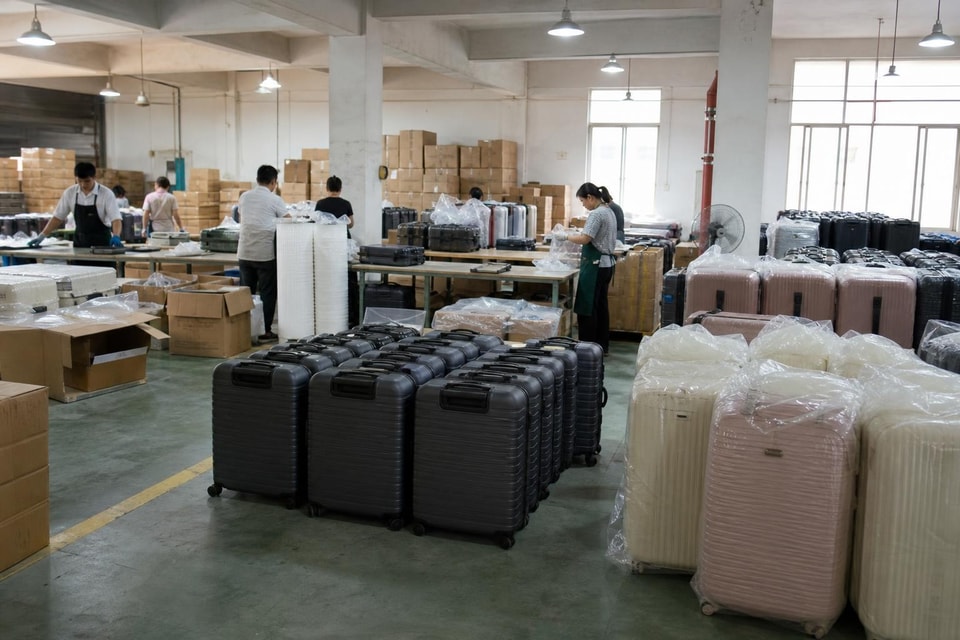
As Regulation (EU) 2025/40 begins to apply generally from 12 August 2026, packaging is becoming a more visible part of product compliance for brands, importers and manufacturers serving the European market. For the luggage industry, the regulation is relevant not only to retail cartons, but also to the way suitcases, business bags and travel products are packed, documented and prepared for cross-border distribution.
This practical guide translates the main direction of the EU Packaging and Packaging Waste Regulation (PPWR) into actions that luggage buyers and supply-chain teams can start reviewing now.
Why PPWR matters to luggage businesses
A suitcase may be designed for years of travel, but the packaging around it is usually used once. PPWR addresses packaging across its life cycle and aims to reduce unnecessary material, improve recyclability and limit substances of concern. It covers packaging placed on the EU market, including sales, grouped and transport packaging.
For luggage exporters, this brings packaging specifications into the same early-stage conversation as shell material, wheels, handles, lining, testing and carton drop performance. A compliant product packed in an unsuitable carton can still create avoidable risk at import, retail or e-commerce fulfilment.
Five packaging priorities for luggage exports
1. Control substances across the complete packaging unit
PPWR maintains a combined concentration limit of 100 mg/kg for lead, cadmium, mercury and hexavalent chromium in packaging or packaging components, subject to limited exemptions. The review should therefore cover more than corrugated board: printing inks, adhesives, labels, tape and other components also need to be considered.
For recycled cartons, buyers should define supplier documentation and testing requirements rather than relying only on a generic recycled-content statement. Water-based inks and adhesives can support a simpler specification, but each material still needs evidence appropriate to the intended market.
2. Design cartons for material recycling
PPWR moves the market toward packaging that can be collected, sorted and recycled at scale. For ordinary luggage cartons, a practical starting point is a predominantly paper-based construction with limited composite elements. Plastic film lamination, hard-to-remove labels and unnecessary plastic-paper combinations can interfere with established paper recycling streams.
Where moisture resistance is needed, packaging engineers should compare recyclable water-based barrier options with conventional plastic lamination and confirm performance with the packaging supplier.
3. Reduce unnecessary volume without reducing protection
From 2030, grouped, transport and e-commerce packaging filled by economic operators is generally expected to stay within a maximum 50% empty-space ratio, subject to the regulation's definitions and exemptions. For luggage, this does not mean removing essential protection. It means selecting a carton that fits the product, planning corner and surface protection efficiently, and avoiding oversized boxes filled with excessive cushioning.
Different products need different solutions. A hardshell spinner such as the YWD-2142 or YWD-2136 needs protection against scuffing and concentrated impact, while a softside carry-on such as the YWD-2171 may allow a more space-efficient pack-out. Business backpacks and briefcases can also require a different carton architecture from rigid checked luggage. Packaging should therefore be developed by product family, not copied from one universal box.
4. Build documentation into the order process
Importers and brand owners should establish a packaging file that can be maintained alongside the product specification. Depending on the operator's role and the applicable requirement, useful records may include:
- a packaging bill of materials covering board, ink, adhesive, tape, labels and protective inserts;
- supplier declarations and relevant test reports;
- carton dimensions, product dimensions and an empty-space calculation;
- design-for-recycling evidence;
- market-specific extended producer responsibility registration information; and
- the applicable declaration of conformity and technical documentation.
This approach makes packaging decisions traceable and helps reduce last-minute changes before shipment.
5. Prepare for phased recyclability and labelling rules
PPWR is not a single deadline. The regulation applies generally from 12 August 2026, while major recyclability, minimisation and labelling provisions phase in later. From 2030, packaging is expected to meet design-for-recycling performance grades, with further recycled-at-scale criteria and tighter performance requirements following in subsequent years.
Businesses should use the transition period to standardise material codes, artwork approval, packaging data and supplier declarations. Country-level EPR obligations also remain important and should be checked for every EU market where packaged goods are made available.
How YAWANGDA approaches export packaging development
For RedVoyage/YAWANGDA product programmes, packaging should be treated as part of the product development workflow rather than a final purchasing detail. Our portfolio ranges from hardshell carry-ons and XL checked luggage to softside cases, business backpacks and briefcases. Each format has different protection, volume and handling requirements.
When developing an OEM or ODM programme, buyers can include carton material, print method, component list, pack-out layout and required evidence in the project specification. Aligning these items before mass production supports more consistent packing, inspection and export preparation.
A practical buyer checklist
- Map every packaging component, including inserts, tape and labels.
- Request substance and material evidence from packaging suppliers.
- Avoid unnecessary plastic-paper composites and difficult-to-separate components.
- Match carton dimensions and protection to each luggage family.
- Record product volume, carton volume and cushioning assumptions.
- Confirm documentation responsibilities with the EU importer or brand owner.
- Review EPR and labelling obligations for each destination country.
- Recheck the official PPWR text and subsequent delegated or implementing acts before final approval.
Planning ahead
PPWR turns packaging into a measurable design and compliance subject. For luggage brands, the most effective response is not simply to use less material; it is to use the right materials, in the right structure, with the right evidence. Starting the review at product-development stage can help protect goods in transit while supporting recyclability, documentation and efficient use of space.
Regulatory note: This article is a general industry overview, not legal advice. Final obligations depend on the packaging format, operator role, market and the detailed application of Regulation (EU) 2025/40. Businesses should consult the official EU text and qualified compliance advisers.
Sources: European Union, Regulation (EU) 2025/40, Official Journal of the European Union (official primary legal source); EUR-Lex summary “Packaging and packaging waste (from 2026)” (official EU summary). The shared WeChat article was used as an industry-practice reference and cross-checked against the official regulation.
YAWANGDA · OEM / ODM
Start a luggage project
Share your product idea, target market or sourcing requirements. We will respond with practical development options.