
TRAVEL JOURNAL
STORIES, TIPS & INSPIRATION
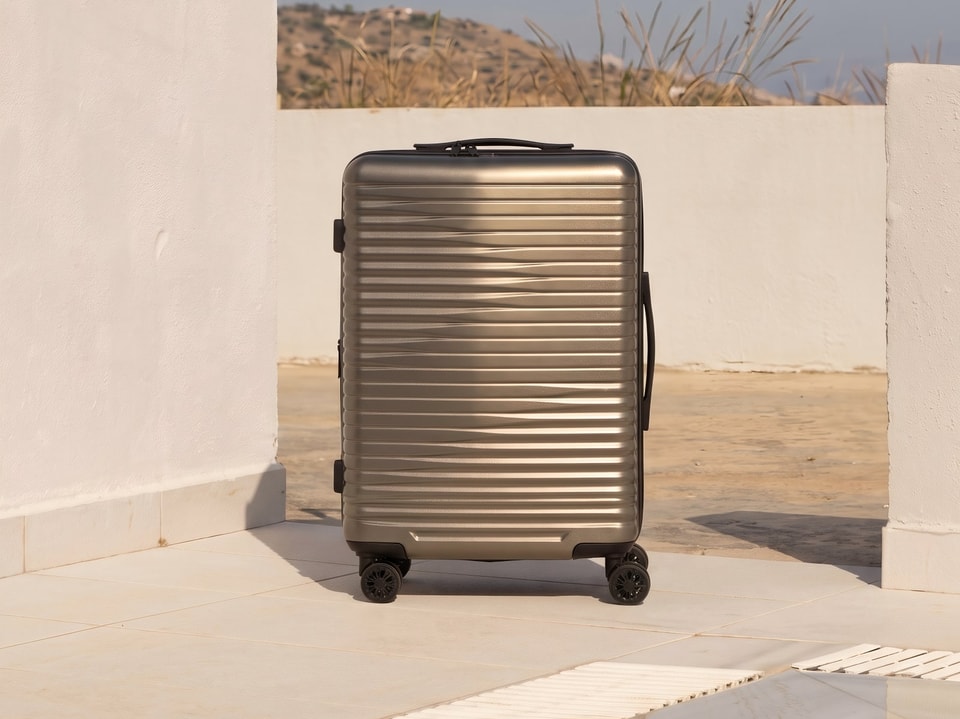
Designed for Partnership: YAWANGDA’s Approach to Global Luggage Programs
International luggage programs bring together product goals, brand identity, commercial channels and manufacturing requirements. Wenzhou Yawangda Luggage & Case Co., Ltd. supports this work through a collaborative approach to design and production. For brands, retailers and distributors, the process is intended to create shared understanding from the first brief through sample review and production coordination.Defining the Program Before Defining the ProductA productive partnership begins with questions. Who will use the luggage? Where will it be sold? What travel scenario should it address? Which elements of the brand’s design language need to be visible? Clear answers help translate a broad opportunity into a focused development brief.For a brand owner, the priority may be a recognizable collection that reflects established visual codes. A retailer may need products aligned with a particular customer profile and merchandising strategy. A distributor may balance market preferences, practical functions and channel requirements across a wider assortment. These perspectives are different, so the development process should not assume that one solution fits every program.Early discussion can cover intended use, product type, exterior direction, color and finish, material preferences, internal organization, wheel and pull-handle expectations, packaging considerations and review criteria. The purpose is to define decisions in a sequence that both customer and manufacturer can follow. A shared brief also gives teams a reference when new ideas or revisions arise.Connecting Design Language with Sample ReviewOnce the direction is established, design work can translate it into proportions, surfaces, components and storage solutions. For OEM, ODM or private-label discussions, the required level of development may vary. Some customers bring detailed specifications, while others begin with a use case, visual direction or assortment gap. In either situation, clear communication helps distinguish confirmed requirements from options still under evaluation.Samples provide a practical bridge between design intent and production planning. A physical review allows teams to consider overall appearance, component integration, opening behavior, mobility, internal layout and the way details work together. Feedback is most effective when it is specific: what should change, why it matters and how the revision relates to the agreed program goals.YAWANGDA presents design, production and quality-control capabilities in its company materials. Bringing these functions into the sample conversation can help assess manufacturability while design details are still being refined. That coordination supports a more orderly transition from an approved direction to production preparation.Coordinating Production Through Transparent CommunicationAfter sample review, collaboration continues through specification alignment, component confirmation and production coordination. International projects may involve different time zones, languages and internal approval structures. Regular, concise updates help participants understand current status, open questions and the decisions needed to keep work moving.Transparency also means addressing changes directly. If a requested revision affects another component, product structure or production step, the relationship should be discussed rather than treated as an isolated adjustment. Likewise, feedback from production or quality review can be shared in a form that helps the customer evaluate alternatives and confirm priorities.Long-term cooperation grows from dependable working habits: listening carefully, documenting decisions, reviewing samples against the brief and maintaining continuity between development and production. YAWANGDA’s company development includes milestones in 2020, 2021 and 2022, reflecting an ongoing path in luggage design and manufacturing. Its 2024 materials also present quality-management and environmental-management system certificates as part of the company profile.YAWANGDA does not rely on implied relationships with third-party brands to define its approach. The focus is on the program at hand and on building a clear, professional working process with each customer. If your organization is planning an OEM, ODM or private-label luggage collection, contact YAWANGDA to discuss the brief, review process and next steps.
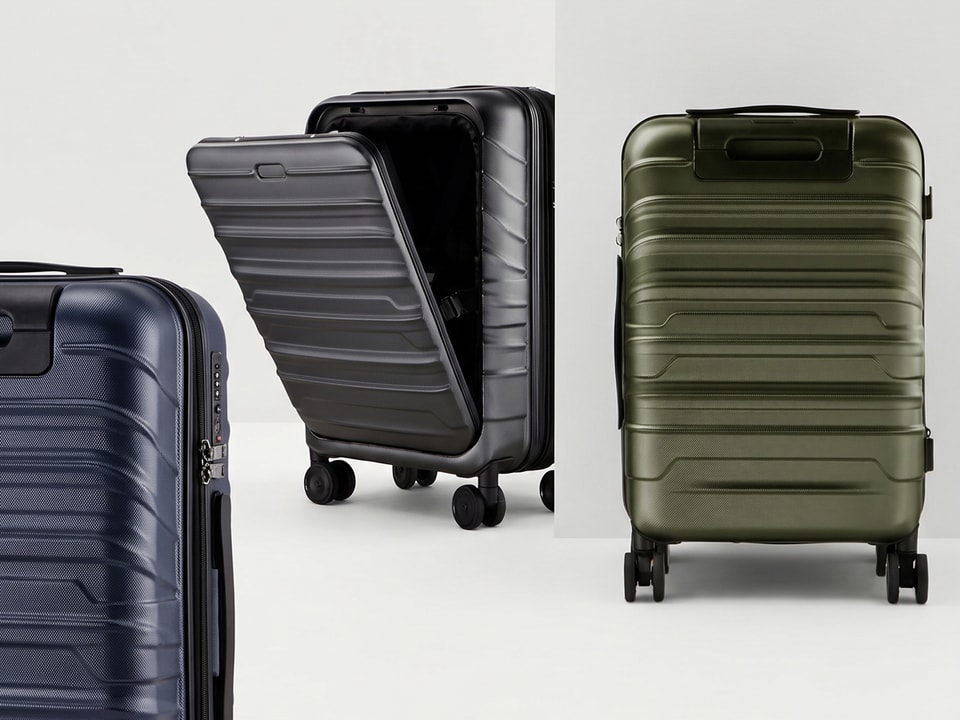
Built for Every Journey: How YAWANGDA Approaches Quality Manufacturing
For luggage intended to move through airports, stations, hotels and daily commutes, quality is created through many connected decisions. Wenzhou Yawangda Luggage & Case Co., Ltd. approaches design and production as a coordinated process in which materials, components, assembly and finished-product review all contribute to the result. The emphasis is on controlled execution, clear checks and learning that can support future improvement.Building Control into Incoming Materials and ComponentsQuality manufacturing begins before assembly. Materials and purchased components need to be reviewed against the requirements established for the product program. Depending on the luggage design, attention may include the appearance and condition of exterior materials, the suitability of linings and trims, and the consistency of functional parts such as pull handles, wheels, zippers, locks and other hardware.These elements perform different jobs but operate as one product. A wheel set affects movement; the telescopic handle influences handling; closure components support access; and internal materials shape organization and finish. Treating incoming checks as part of process control helps identify visible or functional concerns before components are integrated into a completed case.Clear specifications support this work. When the customer’s design direction, material choices and component expectations are documented, incoming review can be linked to agreed requirements rather than general impressions. This is particularly important for overseas brands, retailers and distributors coordinating decisions across teams and locations.Managing Assembly and Finished-Product ReviewDuring production, consistent assembly depends on coordination between people, components and defined process steps. The relationship between the luggage body, frame or closure, lining, carrying points, pull handle and wheel system must be managed carefully. Process checks can help confirm that parts are installed as intended and that workmanship remains aligned with the product specification.Finished-product inspection provides another review point once these elements come together. The evaluation can consider overall appearance, assembly condition, component operation, opening and closing, mobility, internal arrangement and presentation. The purpose is to assess the completed product as a whole, because an individual component may appear acceptable on its own while its integration still requires attention.Quality control is therefore not limited to a single final inspection. Incoming review, in-process attention and finished-product checks form a connected sequence. Information from one stage can guide action at another, supporting more disciplined resolution of issues and clearer communication between design, production and quality teams.Using Management Systems to Support ImprovementYAWANGDA’s 2024 company profile presents ISO 9001:2015 and ISO 14001:2015 management-system certification. This statement reflects the certificates shown in that company material and should not be read as defining certification scope beyond the information presented there.Within a manufacturing context, management-system thinking can support documented responsibilities, process awareness, review and continual improvement. It also encourages teams to look beyond isolated outcomes and consider how work is planned, carried out, checked and improved. For customers, that mindset can provide a more structured basis for technical communication and corrective follow-up during a product program.Continuous improvement depends on useful feedback. Findings from material review, production observations, sample comments and finished-product inspection can be recorded and discussed so that recurring concerns are addressed more systematically. The objective is steady refinement of process control, not an unsupported promise that every journey or use condition will be identical.YAWANGDA’s company development includes milestones in 2020, 2021 and 2022, alongside capabilities in design, production, quality control and customer-oriented cooperation. For organizations evaluating a luggage manufacturing partner, the next step is to align product expectations with a practical control plan. Contact YAWANGDA to discuss your program, specifications and quality priorities.
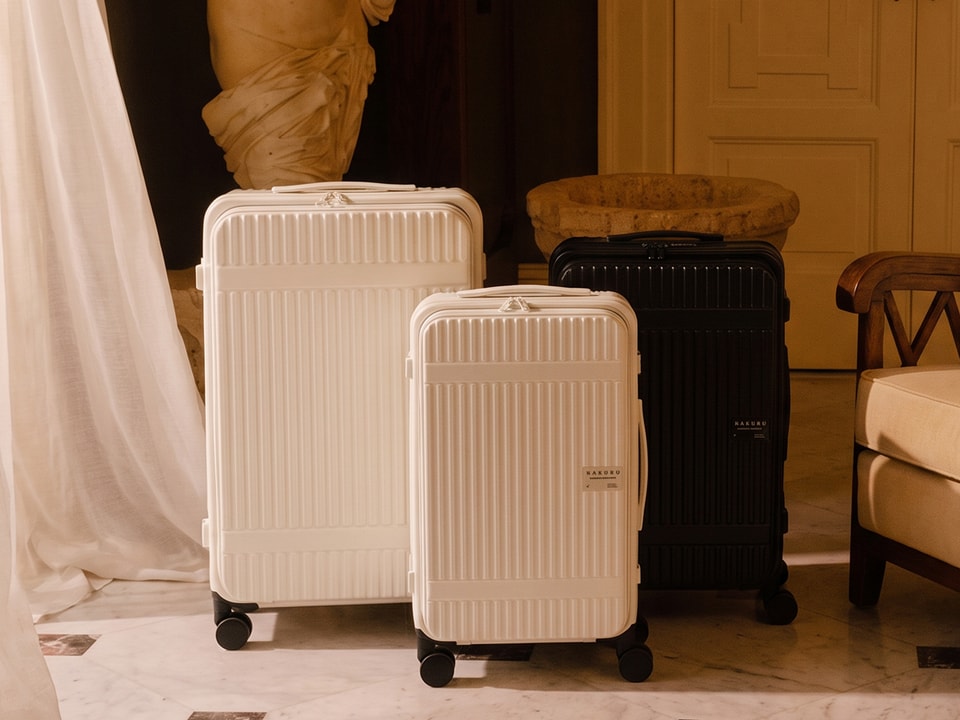
From Idea to Journey: Inside YAWANGDA’s Design-Led Product Development
Successful luggage begins long before a shell, zipper, handle or wheel reaches the assembly stage. At Wenzhou Yawangda Luggage & Case Co., Ltd., product development starts with a clear understanding of how people travel and what a brand wants its collection to express. By connecting design decisions with production realities, YAWANGDA works to turn an initial direction into a coherent, practical and production-ready product.Starting with the User and the JourneyA new luggage concept can begin from zero: a target traveler, a use case, a channel requirement or a broader brand brief. The first task is to define the journey the product must support. A frequent business traveler may value organized access and smooth mobility, while a leisure-focused collection may prioritize flexible packing and a distinctive visual identity. Retail presentation, product positioning and intended use all help shape the design direction.This user-focused view guides decisions across the complete case. Material selection affects appearance, weight, feel and suitability for the intended application. The internal structure determines how clothing and smaller items are separated and secured. Telescopic-handle placement, wheel configuration, carrying points and opening style influence everyday handling. Each choice is considered as part of one system rather than as an isolated feature.For overseas brands, retailers and distributors, this early definition also creates a practical basis for discussion. Instead of moving directly to a sample without shared criteria, the project can establish priorities, preferred design language and key functional expectations first. That foundation helps keep subsequent reviews focused.Developing Materials, Structure and Details TogetherDesign-led development requires coordination between visible styling and the less visible engineering that supports it. Exterior proportions, surface treatment, color direction and hardware should communicate a consistent identity. At the same time, the shell or body construction, frame, pull handle, wheel set, lining and storage arrangement must work together in a balanced product.YAWANGDA approaches these elements as interconnected decisions. A change in profile can affect internal space; a different handle arrangement can influence structural layout; and a revised wheel choice may alter stance and mobility. Reviewing those relationships early helps identify conflicts before they move deeper into production preparation.Manufacturability is part of the design conversation rather than a final checkpoint. Production input can clarify how a concept should be translated into repeatable components and assembly steps while preserving its intended character. This cooperation between design and production supports clearer specifications and more realistic decision-making.Learning Through Prototypes and IterationA prototype makes the concept tangible. It allows the team and the customer to review proportions, opening behavior, storage logic, component integration, finish and overall usability in physical form. Feedback can then be converted into targeted revisions instead of broad assumptions.Iteration may involve refining dimensions, adjusting component relationships, improving internal organization or aligning details more closely with the selected design language. Sample reviews also provide a useful point for comparing the product against the agreed brief. The goal is not change for its own sake, but a disciplined progression toward a design that is both meaningful to users and ready for coordinated production.YAWANGDA’s company development includes milestones in 2020, 2021 and 2022, reflecting an ongoing path in luggage design and production. Today, the company presents capabilities spanning design, manufacturing, quality control and brand-oriented project support.For brands, retailers and distributors planning a new luggage program, a well-defined development process can turn an early idea into a clearer product direction. Contact YAWANGDA to discuss your brief, target users and product-development priorities.
YAWANGDA · OEM / ODM
Start a luggage project
Share your product idea, target market or sourcing requirements. We will respond with practical development options.