

TRAVEL JOURNAL
STORIES, TIPS & INSPIRATION
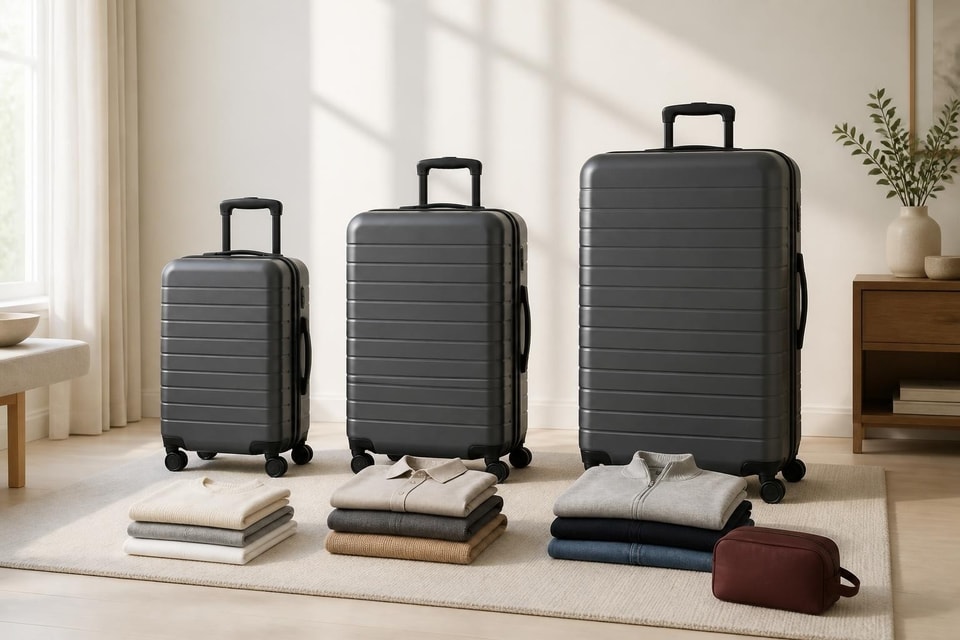
How to Choose a Suitcase by Trip Purpose and Duration
The right suitcase is not simply the largest one a traveler can carry. It is the case that fits the trip’s transport, duration, packing rhythm and baggage rules with the least unnecessary weight and complexity.Start with the trip, not the size labelRetail labels such as cabin, medium and large are useful categories, but they are not universal measurements. Before selecting a case, write down five facts:Duration: number of travel days and access to laundry.Purpose: business, leisure, family, outdoor activity or mixed use.Transport: direct flight, connections, rail, car, ferry or walking.Climate: bulky cold-weather layers versus lightweight clothing.Ticket rules: included pieces, external dimensions and weight.These factors often matter more than day count alone. Seven days with laundry access may require less space than four days involving formal clothing or two climates.One to three days: compact and disciplinedFor a short city break or overnight business trip, a compact carry-on or small soft case is often enough. Prioritize low empty weight, quick access and an interior that prevents a small packing list from shifting.Four to seven days: balanced capacityA medium case often suits a week when clothing can be repeated and shoes are limited. Look for a stable trolley, compression panel and one or two purposeful separation zones. If the case will be checked, evaluate corner protection, closure, handle attachment and replaceable wheels.Eight to fourteen days: organization before volumeLonger trips usually benefit from a medium-to-large checked case, but capacity should be controlled. Oversized cases encourage overpacking and can exceed a common 23 kg allowance before they are full. Use two main zones: clean clothing and items that may become damp or dirty. Compression reduces movement, not weight.Trips longer than two weeks: design around replenishmentFor extended travel, plan laundry, consumable replacement and climate transitions. A large case may be appropriate for relocation, study or family visits, but verify dimensional and weight limits first. A second checked piece may sometimes be more usable than one overloaded case, depending on fees and entitlement.Choose by travel purposeBusiness travelPrioritize a professional silhouette, quiet wheels, stable upright behavior and fast access. The handle should suit the traveler’s height without excessive flex. Replaceable wheels and handles can reduce downtime after normal wear.Family holidaysShared cases need clear zones. Avoid creating a bag that only one adult can lift. If children will roll their own cases, check handle range, wheel stability and packed weight rather than choosing by appearance.Rail and multi-city travelFrequent lifting favors compact dimensions, strong grab handles and low empty weight. Smooth wheels matter in stations and hotels. A case that stands securely when loaded is valuable during platform waits.Road tripsCar travel relaxes airline constraints but introduces trunk geometry. Soft luggage can fit irregular spaces, while multiple compact cases may stack better than one large shell. Expansion is useful provided the case is returned to compliant dimensions before a later flight.Adventure, cruise and specialist tripsOutdoor equipment, formal cruise clothing or sports items can change the calculation. Check special-item rules and whether a duffel, protective equipment case or garment solution should complement the suitcase.Hard shell or soft luggage?ConsiderationHard shellSoft luggageStructureDefined shape and broad panel protectionFlexible pockets and packing behaviorAccessOften opens in two halvesOften offers lid-style opening or exterior accessEvaluation pointCheck shell recovery, corners and closureCheck fabric, seams, backing and zipper constructionNeither type is automatically more durable. Material, construction, component quality and test performance determine the result.Wheels, handles and interiors: test the complete systemFour-wheel spinners maneuver well in terminals, while two-wheel designs can offer advantages on uneven paths. Wheel diameter, tread, axle alignment and housing strength affect noise and rolling effort. Extend the trolley to normal walking height and check for comfortable grip and controlled movement.Inside, pack representative items. Confirm that straps hold a partial load, zippers remain reachable and lining can be cleaned. Features should earn their weight.Make the final airline checkFor checked baggage, 23 kg and 158 cm total linear dimensions are common references, but they are not worldwide mandatory allowances. Delta commonly publishes 157 cm and 23 kg; Lufthansa commonly uses 158 cm and 23 kg in Economy; Emirates has different weight and piece concepts, with a 150 cm piece-concept threshold. Cathay directs travelers to the ticket or its calculator. Measure the packed case externally, including wheels and handles.A simple decision sequenceConfirm the ticketed allowance.Create a realistic packing list and note laundry access.Choose the smallest capacity that holds the list.Compare external dimensions and empty weight.Test lifting, rolling, handle height and access.Check repair options for wear components.Reweigh and remeasure before departure.Choosing by purpose and duration produces a case that is easier to move and less likely to be overpacked. For guidance, contact RedVoyage/YAWANGDA.Sources & verificationIATA Passenger Baggage Rules — credible international industry reference.Delta, Lufthansa and Emirates — official airline sources illustrating rule differences.Cathay Pacific baggage calculator — official itinerary-specific verification tool.
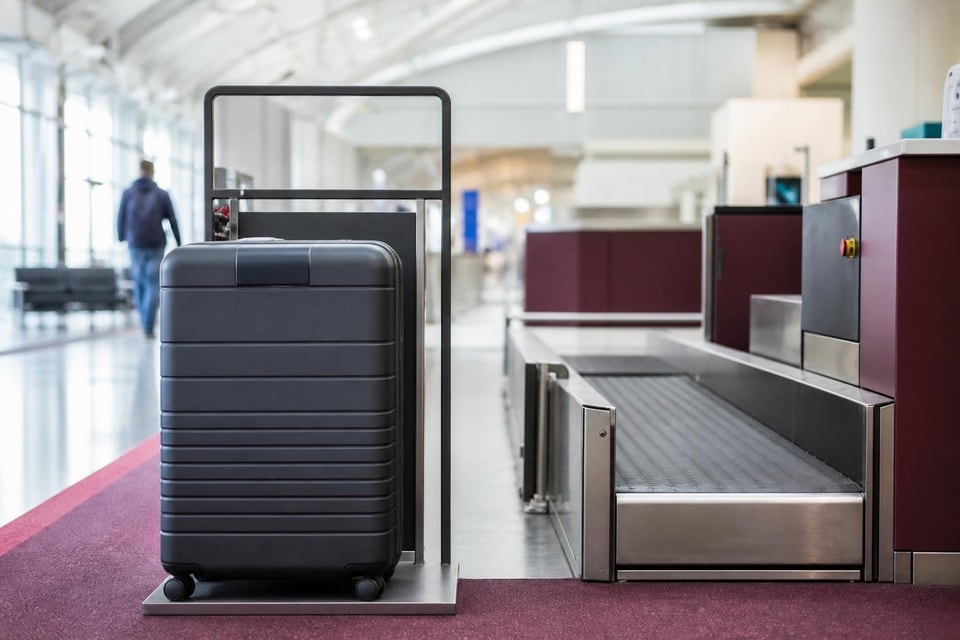
International Checked Baggage Size Rules: A 2026 Traveler’s Guide
There is no single mandatory worldwide size allowance for checked baggage. Airlines set acceptance rules through their own conditions of carriage, and the applicable limit may vary by route, cabin, fare family, ticket date, status and operating carrier.IATA says that on routes using the piece concept, a common maximum is 158 cm (62 in) in total linear dimensions, calculated as length plus width plus height. IATA also notes a commonly recommended individual checked-bag weight of 23 kg (50 lb). These are common references, not a universal passenger entitlement.How linear dimensions workLength + width + height = total linear dimensions.Measure the suitcase at its largest external points. Wheels and handles normally form part of the external dimensions. Include fixed handles, wheel housings, feet and guards. Measure an expandable case in the condition in which it will be checked. A nominal “28-inch suitcase” label is not guaranteed airline compliance.Current examples from major airlinesSourceCommon published referenceImportant qualificationIATA23 kg per bag and 158 cm are common references.Allowances remain airline and route specific.DeltaA standard checked bag commonly uses 157 cm total dimensions and 23 kg.Fees, pieces and weight vary by product, status and journey.LufthansaA common Economy reference is 158 cm and 23 kg.Fare and route determine the exact entitlement.EmiratesUnder the piece concept, each piece uses a 150 cm threshold.Emirates uses weight or piece concepts depending on route.Cathay PacificAllowance is shown on the e-ticket and Manage Booking.Use its calculator; partner-carrier rules can differ.The one-centimeter difference between Delta’s 157 cm and the widely seen 158 cm illustrates why travelers should avoid rounding assumptions. Emirates is an even clearer example: its piece-concept threshold is 150 cm.Weight concept and piece concept are differentUnder a piece concept, the ticket specifies how many bags may be checked and sets a weight and size condition for each piece. Under a weight concept, the entitlement is expressed primarily as total checked weight, although per-item limits still apply.Emirates states that the weight concept applies to most routes, while the piece concept applies to specified travel involving the Americas and Africa. Do not infer the rule from airline name alone; origin, destination, stopover and ticket construction matter.Why the operating carrier and full itinerary matterCodeshares and interline journeys can involve more than one airline. The marketing carrier may not operate every sector. Separate tickets add risk because a bag accepted on the first flight may not meet the second carrier’s rules.Review the e-ticket receipt, booking-management page and operating-carrier details. Special items such as sports equipment, musical instruments, mobility equipment and unusually shaped bags may follow separate procedures.How to measure and verify before departureFind the booked allowance. Open Manage Booking or the baggage calculator.Identify the concept. Confirm pieces or total weight.Measure externally. Include wheels, handles, guards and expanded sections.Weigh the packed case. Leave a margin for measurement differences and return purchases.Check every sector. Review operating carriers, codeshares and separate tickets.Review exceptions. Look for route embargoes and special-item policies.Save evidence. Keep the allowance shown on the ticket or booking page.Choosing a suitcase around airline rulesCompare verified external measurements rather than retail size names. Wheels that sit outside the shell and tall fixed handles consume part of the dimensional envelope. Expansion gives flexibility, but an expanded bag may cross a threshold. Empty weight also matters because a heavy case reduces contents under a 23 kg allowance.The final check is the booking, not a generic chartAirline pages can change, and entitlement depends on details a general guide cannot see. Verify the booking shortly before departure and again after a schedule or carrier change. For luggage dimension planning, contact RedVoyage/YAWANGDA.Sources & verificationIATA Passenger Baggage Rules — authoritative industry reference.Delta baggage overview — official carrier source.Lufthansa baggage and fees — official carrier source.Emirates checked baggage — official explanation of weight and piece concepts.Cathay Pacific baggage calculator — official itinerary-specific tool.
YAWANGDA · OEM / ODM
Start a luggage project
Share your product idea, target market or sourcing requirements. We will respond with practical development options.